Wednesday, 16 March 2016

PET plastics eating bacterium

Good news!  


A team of scientists led by Dr Shosuke Yoshida from the Kyoto Institute of Technology in Japan, discovered a new bacterium with the ability to completely break down PET plastics in a relatively short space of time.

The scientists were able to recreate the bacterium, which has been named Ideonella sakaiensis, in the lab and have them break down the plastic to its basic building blocks: two environmentally harmless monomers called terephthalic acid and ethylene glycol.

And if you are wondering why should we care about this progress, it is obvious that you have not read about the "plastic soup" that Captain Charles Moore discovered at the North Pacific Subtropical Gyre, 


Read this at Gizmag.

Sunday, 14 February 2016

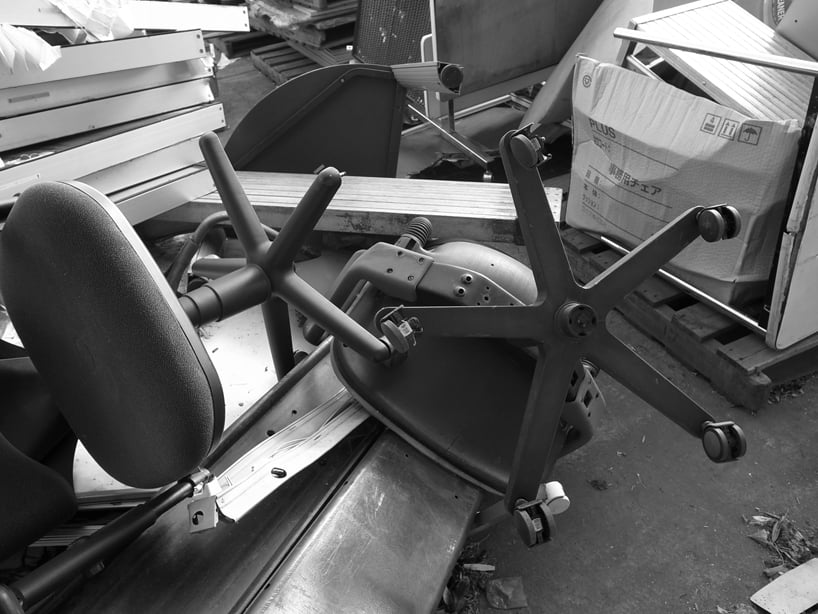
New chairs from discarded chairs

Interested in getting your kids new chairs made from discarded office chairs?

If your answer is, "No way!", it is obvious that you have not read about the Nakadai Project.

It's an effort by Japan’s Design Association in collaboration with industrial waste processing company, Nakadai, architects and designers to make stock that are no longer wanted into useful material for creation of new artifacts.

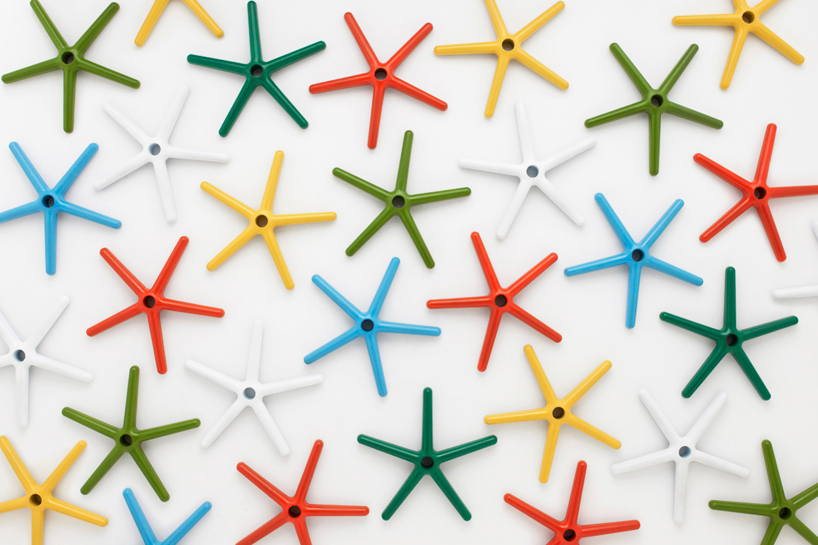
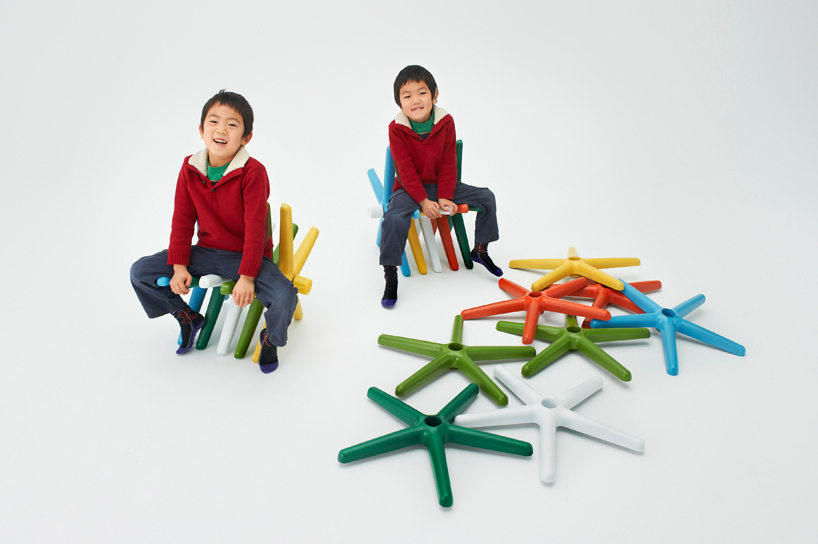
Guess what they could make out of bases from these discarded office chairs?


Need a clue?  Here you go.


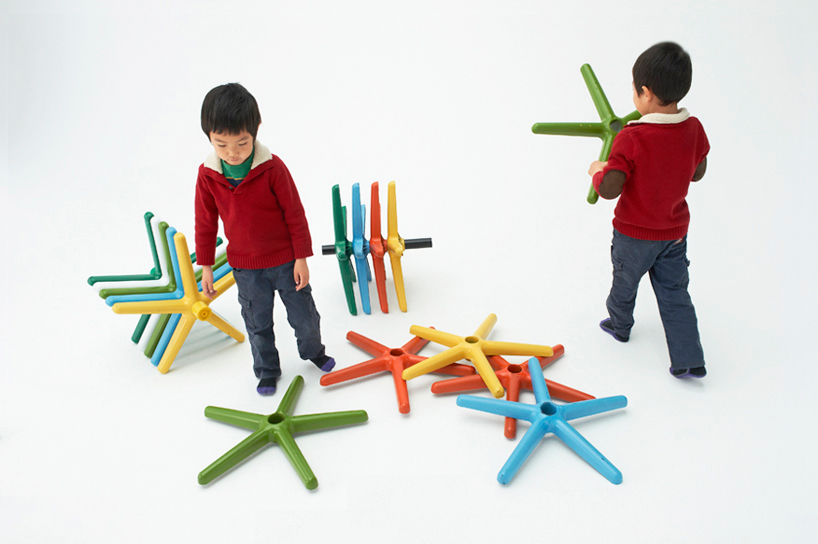
Are you getting any closer to the answer?  Still guessing?


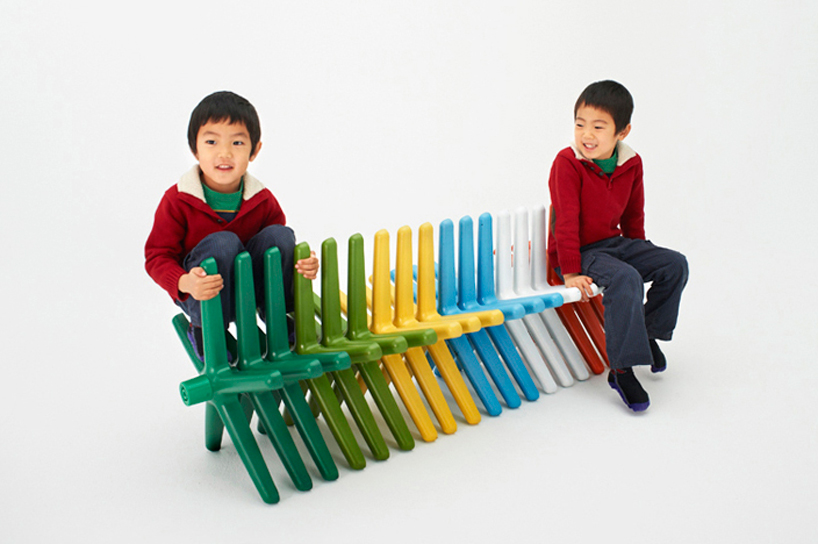
Here is the answer.


The bases are made into colourful benches that can be lengthened or shortened to meet a child's need.


I think this project is a great way to teach our children what upcycling is all about.

You can read the full article at the following link:
Nakadai Project: Block Chair by sugiX

Reading this article has inspired you to upcycle what you have on hand?  You can pick up some upcycling ideas from best selling author, Kitty Moore.

Tuesday, 2 February 2016

When price of oil drops...

When price of oil drops, not everyone will be rejoicing.

Let's take a look at the plastics recycling industry.  Plastics are made from oil.  When oil price slumps, it is cheaper for manufacturers to buy freshly made plastic.  We will see less used plastic material being collected for recycling. 

So, all the more reasons for us to consider using less plastic in our product or packaging. If you need some help, read this book, "Plastic-Free: How I Kicked the Plastic Habit and How You Can Too", by Beth Terry. 

Thursday, 21 January 2016

Let's get ourselves armed

If you are always getting negative feedback for your efforts to recycle, read this article, "A Response to Anti Recycling Ideology"

It should give you some bullets to kill those thoughts against recycling. Get armed and move forward green soldiers.  Aim to keep the environment green.

Tuesday, 20 October 2015

Self-sufficient Farming Communities

Roots Up creates self-sufficient farming communities on the Ethiopian highlands by doing away with bad farming habits, upcycling things that are readily available and recycling waste product instead of dumping them.


Let us hope that the greenhouse design that they are working on to allow them to collect water from the atmosphere will be available in the market soon.

Saturday, 17 October 2015

Living in a container

If you like the idea of living simple.  Consider getting yourself a container home.


I would like to be an owner of one and hope that we can create a community where we can swap containers home to live in for a break.

Friday, 9 October 2015

Mealworms = No plastic waste?

I read a CCN report that mealworms can live on a diet of Styrofoam and other types of plastic.

A research published in Environmental Science and Technology by co-authors Professor Jun Yang and his doctorate student Yu Yang of Beihang University, and Stanford University engineer Wei-Min Wu reported that mealworms can transform the plastic they ate into carbon dioxide, worm biomass and biodegradable waste which seemed safe to use in soil for plants and even crops.  They plan to study whether the microorganisms within mealworms, waxworms and other insects can biodegrade plastics such as polypropylene, microbeads and bioplastics.

This sounds like a good news initially, a great way to get rid of plastic waste, until I did a search and discovered some facts about mealworms from Wiki.

Do you know that mealworms are:

1) edible for humans and are considered high protein healthy snack food, baked or fried?
2) marketed as food for pets, such as, reptiles, fish, and birds?
4) fed to wild birds in bird feeders?
3) used as fishing bait?

It makes think, "What if mealworm farmers started using Styrofoam as feed on their farms? 

Styrofoam, as we know it, is polystyrene, which is a petroleum-based plastic made from the styrene monomer. What happens if mealworms fed with polystyrene are ingested by fishes and animals that we eat?

Something to think about.